Was so happy to stumble upon this spot on a Saturday evening when hunting for something gluten free to eat! The staff was incredibly helpful and friendly. We got the five cuts of waygu beef which was delicious, plain vegetables and side of rice and just used salt and pepper to make it gluten free for me. My husband who eats gluten enjoyed the sauces and egg drop soup. Only downside is it’s not vibe -y it’s a restaurant in an outlet mall but was delicious and friendly staff and accommodating for both our child, our lack of Japanese language and my gluten free dietary restrictions that are tough to accommodate for in Japan. All that plus no need for a reservation made it a great find.
Overview
Walking through the Karuizawa Prince Shopping Plaza, tucked inside the lively Ajino Machi food area, I stumbled into Tsukiji Harenohi almost by instinct. After years of eating my way through fish markets and seaside diners across Japan, you develop a radar for places that respect seafood, and this one hits that nerve right away. The location alone makes it memorable: Japan, 〒389-0103 Nagano, Kitasaku District, Karuizawa, プリンスショッピングプラザ KARUIZAWA AJI NO MACHI, 味の街. It’s casual, open, and buzzing with people who clearly came hungry.
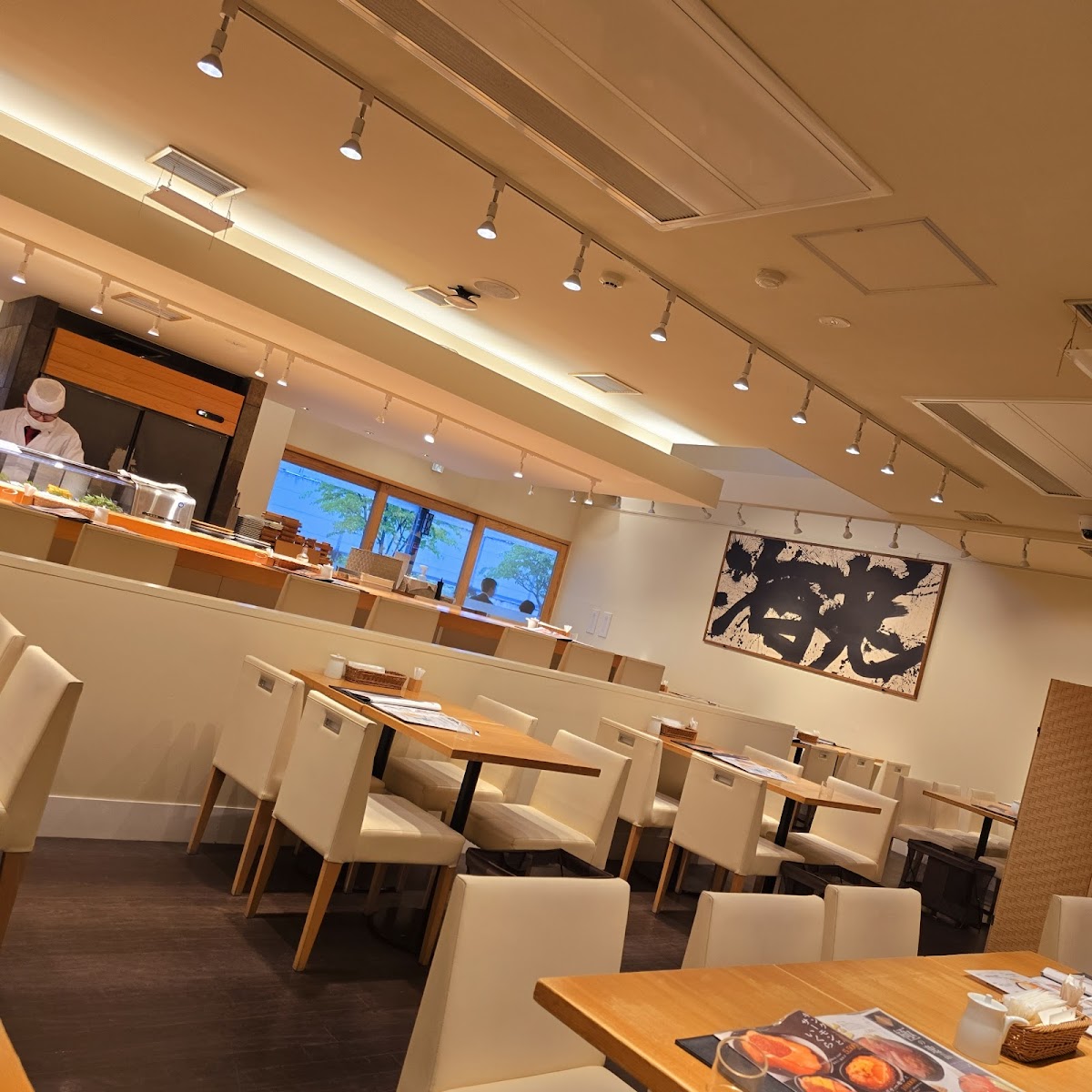
What stood out first was how openly the kitchen operates. You can see the staff prepping fish, slicing sashimi, and assembling bowls with calm efficiency. That transparency matters. According to Japan’s Ministry of Agriculture, Forestry and Fisheries, freshness and handling account for over 60% of perceived seafood quality, more than seasoning or presentation. Watching the process here, you get why the food tastes so clean. The tuna cuts are precise, the rice is gently warmed, and nothing feels rushed, even during peak shopping hours.
I ordered one of their signature seafood bowls, stacked with maguro, salmon, scallop, and ikura. The menu leans heavily on market-style donburi and sushi sets, which makes sense given the Tsukiji-inspired concept. The fish tasted fresh in the literal sense, not just as a marketing word. There’s a softness to properly handled tuna that you can’t fake, and the balance between rice and topping was spot on. They season the rice lightly, which allows the natural sweetness of the seafood to come through instead of drowning it in vinegar.
One thing I appreciated, especially as someone who’s reviewed dozens of seafood-focused restaurants, is their consistency. On a return visit a few months later, I ordered the same bowl and got the same quality. That reliability is rare outside major coastal cities. Industry data from the Tokyo Central Wholesale Market shows that maintaining stable suppliers is one of the biggest challenges for market-style restaurants outside Tokyo, yet Tsukiji Harenohi manages it well by rotating seasonal fish while keeping core standards intact.
The staff clearly know their product. When I asked about the day’s recommended fish, they explained where it was sourced and how it was best enjoyed. That kind of confidence doesn’t come from memorized scripts; it comes from training. Many of Japan’s top seafood programs follow guidelines developed by organizations like the Japan Fisheries Association, emphasizing traceability and handling. You can feel that influence here, even in a casual diner setting.
Reviews from other diners echo the same themes: quick service, reliable quality, and a menu that feels accessible without being dumbed down. Families, solo travelers, and serious food lovers all seem equally comfortable here. Portions are generous enough to satisfy after a long day of shopping, but not so heavy that you regret ordering dessert elsewhere in the plaza.
That said, there are limits. This isn’t a quiet, intimate sushi counter, and you won’t get a long omakase experience with a chef explaining each bite. During busy hours, seating can feel tight, and the energy is more food hall than fine dining. Still, that’s part of its charm. It delivers market-style seafood the way it’s meant to be enjoyed: straightforward, honest, and satisfying.
For anyone exploring Karuizawa and craving seafood that respects tradition without feeling formal, Tsukiji Harenohi fits naturally into the day. It’s the kind of place you remember not because it tried too hard, but because it didn’t have to.
Good to know
Service options
✓ Kerbside pickup ✓ Takeaway ✓ Dine-in ✓ DeliveryPopular for
✓ Lunch ✓ DinnerOfferings
✓ Alcohol ✓ Beer ✓ WineDining options
✓ Brunch ✓ Lunch ✓ Dinner ✓ Dessert ✓ Table serviceAmenities
✓ ToiletCrowd
✓ TouristsPayments
✓ Credit cards ✓ PayPay ✓ Credit cardsChildren
✓ Good for kids ✓ Kids' menuParking
✓ Paid parking lot ✓ ParkingPhotos
1 / 4
Location
Reviews
- No ratings yet 470 reviews
Great service, food and atmosphere! The food is served very well, fresh and flavorful with good measurements. I think it’s under rated because it’s amazing here. The staff are friendly and there’s nice service and they adjust to your liking. It’s nice and cozy in here. Overall I’m happy I visited this place!!
For visitors, they offer the best fresh seafood bowls around! Good quality produce, fresh, and served in appetizing presentations. Fast and delicious! #seafood #bowls #quality #produce #presentation #food
The ingredients are fresh, and the portion sizes are just right. Even the kids enjoy the food.
Everything you'd expect from a sushi restaurant. Fish was fresh and good. The miso soup was great. Great food at a good price.
The scallops and uni are super fresh and sweet! But others is average, the price is 4900 en each person, I will say it’s a little pricy